
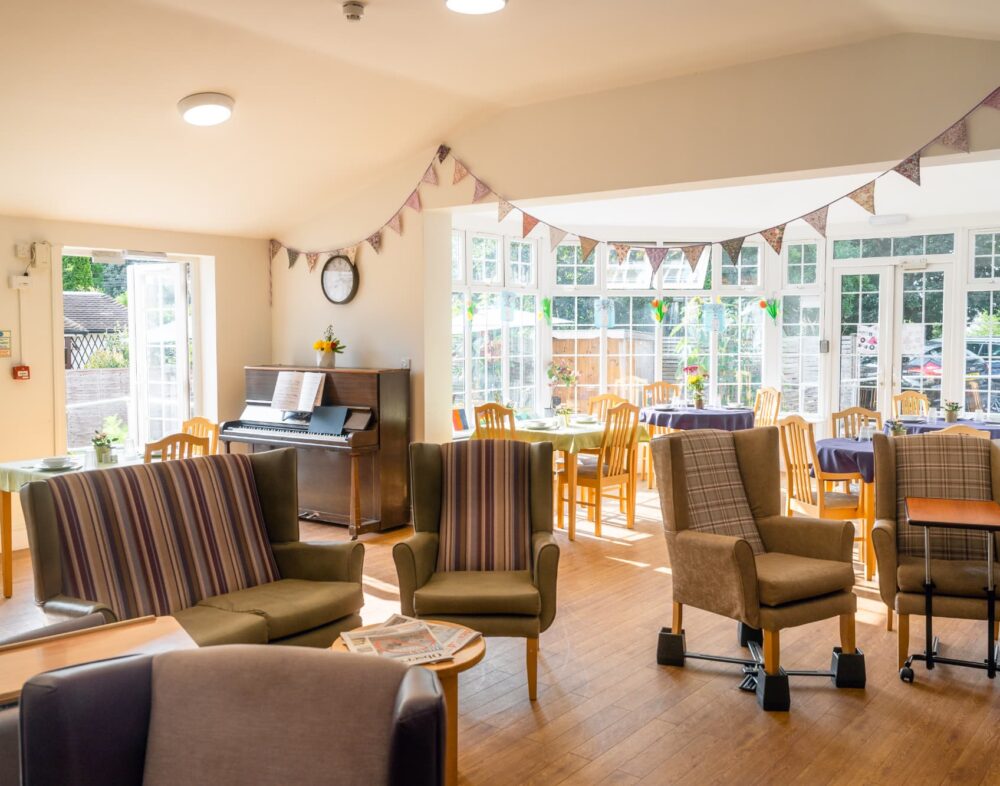
Bariatric Care in East Sussex
We know how exhausting and upsetting it can be when families are told that a loved one’s needs are too complex, or that a care setting is not equipped to support them safely. At Coast Care Group, we look beyond weight, mobility and logistics. We see a person who deserves dignity, specialist care and a place to feel at home.
| Rated Excellent
Specialist care for people with high-weight and complex mobility needs
Bariatric care requires more than larger furniture or specialist equipment. It needs a care environment that is planned around safety, dignity, clinical oversight and the individual needs of the person receiving care.
At Coast Care Group, we provide structured, compassionate care for residents with high-weight needs, obesity-related care needs and complex mobility requirements. Across our care homes in Bexhill and St Leonards, our teams support residents with dignity, patience and care shaped around their individual needs.
Our support includes clinical oversight, appropriate equipment, adapted environments, careful moving and handling, pressure care, personal care support and a strong focus on helping each resident feel safe, respected and included.

What is Bariatric Care?
Bariatric care is specialist care for people whose weight, mobility needs or related health conditions mean they may need additional support, equipment or environmental adaptations.
This may include help with safe movement, personal care, pressure care, continence care, skin integrity, nutrition, comfort and emotional wellbeing.
For many families, the challenge is not only finding care, but finding a care home that can support their loved one safely and without judgement. Bariatric care should protect dignity while making sure the right clinical oversight, space, equipment and staff support are in place.
How high-weight care needs can affect daily life
High-weight care needs can affect movement, independence, confidence and access to everyday routines. The impact varies from person to person, but may include:
- Difficulty moving safely or transferring between bed, chair and bathroom
- Increased risk of falls or injury without the right support
- Greater need for specialist moving and handling equipment
- Pressure care needs linked to reduced mobility or extended periods sitting or lying down
- Personal care that requires more time, privacy and careful support
- Anxiety, embarrassment or reduced confidence after previous refusals or unsuitable placements
- Difficulty accessing unsuitable buildings, bedrooms or bathrooms
- Family carers feeling exhausted, worried or unable to manage safely at home
When a person has been repeatedly turned away or treated as a problem to solve, it can affect confidence and trust. The right care setting should provide safety and clinical support without making the resident feel like a burden.
When specialist bariatric care may be needed
Families often begin considering specialist bariatric care when their loved one’s needs become difficult or unsafe to manage at home, during hospital discharge planning, or in a care setting that is not equipped for high-weight support.
This may include:
- Difficulty finding a care home able to safely support the resident’s weight or mobility needs
- Complex moving and handling requirements
- Need for specialist beds, seating, hoists or wider access routes
- Pressure care or skin integrity concerns
- Personal care needs requiring additional time, equipment or staff support
- A need for regular clinical oversight
- Distress caused by previous refusals, failed placements or unsuitable environments
Specialist bariatric care can provide the right balance of safety, dignity and practical support, helping residents receive appropriate care within a warm and respectful home environment.
Every placement is considered individually, with care planned around the resident’s needs, equipment requirements, safe access, staffing support and the suitability of the care environment.
If you are looking for support at home rather than residential care, our team can also talk you through the options available through our home care services.
How Coast Care Group supports people with bariatric care needs
At Coast Care Group, bariatric care is built around the person, not just their weight. We take time to understand each resident’s mobility, personal care needs, clinical risks, emotional wellbeing, family concerns and what will help them feel settled and respected.
Our support may include:
- Clinical oversight within our care homes
- Individual care plans reviewed as needs change
- Safe moving and handling support
- Specialist mobility equipment where required
- Profiling beds and pressure-relief mattresses
- Pressure care and skin integrity monitoring
- Personal care delivered with privacy, patience and dignity
- Adapted environments that support safer movement and daily routines
- Communication with families and healthcare professionals
Where possible, we adapt our care home environment around the resident, rather than expecting the resident to fit a standard care setting. This includes thinking carefully about access, equipment, room layout, safety and how to make the move into care feel less distressing.
Each enquiry is reviewed individually so we can understand the person’s needs and assess whether the care environment, equipment and support available are suitable.
We’re only a call away. Let’s talk
Our Approach to Bariatric Care
At Coast Care Group, we recognise that bariatric care is a specialist area of nursing support that requires more than heavy-duty furniture. It needs the right equipment, safe moving and handling, pressure care awareness, clinical oversight and a culture that protects dignity. Our teams balance careful clinical support with a warm, family-focused approach, helping residents feel safe, respected and at home.
Structural Adaptation
We do not expect residents to fit a standard care environment. Where possible and appropriate, our homes are adapted to support safer movement, transfers and equipment use, including wide-door, straight-line access where available.
The “Yes” Philosophy
We know many families come to us after being told that their loved one’s needs are too complex for standard care. Our approach is to look carefully at what can be done safely, respectfully and practically, rather than dismissing someone because their care needs are more complex.
Room Replication Protocol
Where possible, we replicate familiar room layouts and environmental cues to help reduce transfer distress. Recreating aspects of a resident’s own bedroom can support confidence, familiarity and emotional reassurance when moving into care.
Social Fit and Belonging
We do not simply place residents in the first available room. We consider personality, routine and social comfort, helping each resident feel part of a home where they can feel settled, included and connected.
A Culture of Patience
Bariatric care often requires time, calm support and careful coordination. Our teams provide personal care, movement support and daily assistance patiently, helping residents feel respected rather than rushed.
Specialist Infrastructure
Our bariatric care is supported by specialist infrastructure and equipment designed for high-weight care needs. This may include reinforced flooring, specialist bariatric beds, seating and hoisting equipment, and wide-access environments that support safer movement and transfers.
Team, Skills and Equipment
At Coast Care Group, we recognise that bariatric care is a specialist nursing area. It requires clinical judgement, safe moving and handling, pressure care awareness, suitable equipment and a culture that protects dignity at every stage. Our teams provide clinical oversight within a home environment designed to support residents with complex high-weight and mobility needs.
-
- Monitoring of obesity-related conditions
- Diabetes and cardiovascular care
- Clinical oversight for respiratory conditions
- 24/7 clinical oversight as care needs change
-
- Bariatric-safe moving and handling
- Skin integrity and pressure area care
- Mobility rehabilitation support
- Personal care delivered with dignity and respect
-
- Specialist bariatric beds, hoists and seating
- Reinforced flooring for high-weight equipment and hoisting systems
- Wide-door, straight-line access to support safe transfers and equipment use
- Wide-access rooms and corridors
- Specialist pressure-relief equipment where required


We’re only a call away. Let’s talk
Questions Families Often Ask Us
Yes, we can talk this through with you. Many families contact us after being told that their loved one’s needs are too complex, or that another care home is not equipped to support them safely.
At Coast Care Group, we do not believe someone should be dismissed because of their weight or mobility needs. We review each situation carefully, looking at the person’s clinical needs, mobility, equipment requirements, room access, moving and handling needs, personal care needs and emotional wellbeing. Every placement is considered individually so we can understand what can be done safely, respectfully and practically within our care home environment.
Before someone moves in, we assess their needs carefully. This includes understanding their weight, mobility, transfer needs, room access, personal care requirements, pressure care risks, equipment needs and any clinical concerns.
This helps us decide whether the right support, staff, space and equipment can be put in place. It also gives families a clear and honest answer about whether Coast Care Group is the right environment for their loved one.
Where required, available and appropriate, support may include specialist mobility equipment, profiling beds, pressure-relief mattresses, wider access routes, reinforced flooring and hoist support in suitable rooms.
The exact equipment needed will depend on the resident’s individual care plan, mobility, comfort, skin integrity, transfer needs and room suitability. We will talk families through what support is available before a placement is agreed.
Safe movement is planned around the individual. We look at how the person moves, whether they can weight-bear, what support they need with transfers, and what equipment or staffing may be required.
Our teams use appropriate moving and handling techniques and specialist equipment where needed. The aim is to support transfers, repositioning, washing, dressing, toileting and daily routines as safely and comfortably as possible, while protecting the resident’s dignity throughout.
Yes. Dignity is central to bariatric care. We understand that personal care can feel sensitive, especially for residents who have experienced embarrassment, judgement or unsuitable care elsewhere.
Our teams provide support with privacy, patience and respect. Residents are given time, spoken to as individuals, and supported in a way that helps them feel safe, comfortable and in control. We see the person first, not just their weight, mobility or care requirements.
Yes. Moving into care can feel especially distressing if someone has already had difficult experiences with hospitals, services or other care settings. We take time to understand the person’s routines, preferences, worries and what helps them feel reassured.
Where appropriate, we can use room replication and familiar environmental cues to help the new room feel more recognisable and settled. Family input is important, as it helps us understand what will make the move into a care home feel calmer and more personal.
Care plans are reviewed as a resident’s needs change. This may include changes in mobility, comfort, skin integrity, equipment needs, personal care, emotional wellbeing or clinical support.
Our teams provide clinical oversight within our care homes, so changes can be observed and responded to. We also communicate with families and healthcare professionals where needed, so care remains appropriate and joined up.
We consider room access, layout, equipment requirements, moving and handling space, bathroom access, flooring, hoist suitability and how the resident will move through daily routines.
Where possible and appropriate, we adapt the environment around the resident’s needs rather than expecting them to fit a standard care setting. Any specialist infrastructure or equipment will be discussed as part of the assessment before admission.
Yes. Family input is very important, especially when someone has complex needs or may feel anxious about moving into care. Families can help us understand the resident’s routines, preferences, previous experiences, communication needs and what helps them feel calm and respected.
We keep families informed as care needs change and work with them to support a move that feels as safe, dignified and settled as possible.


Rated 4.77/5 across 343 reviews
We’d Love to Hear From You
We’re here to help with any questions you may have. You can call us on 01424 845 543, email us at info@coastcaregroup.co.uk, or fill out the form below. A friendly member of our team will be in touch shortly.
Awards & Accreditations


